Choosing the Right Rat Removal Near Me: What to Look For and What to Avoid
Finding rats in your home can be both alarming and frustrating. These persistent rodents not only cause property damage but also pose serious health risks to your family. While DIY solutions might seem tempting, professional rat removal often proves more effective and safer in the long run.
The challenge lies in choosing the right pest control company. With numerous options available, how do you distinguish between reliable professionals and those who might leave you with recurring problems? This guide will walk you through everything you need to know about selecting a rat removal service that delivers lasting results.
You’ll learn to identify the warning signs of rat infestations, understand what separates rat removal near me from subpar ones, and discover the key questions to ask before making your decision. By the end of this post, you’ll have the knowledge needed to protect your home and family from these unwanted invaders.
Recognizing the Signs: When You Need Professional Help
Before diving into company selection, it’s crucial to confirm you’re dealing with a rat problem. Many homeowners mistake other pest issues for rat infestations, leading to ineffective treatment approaches.
Physical Evidence of Rats
The most obvious signs include droppings, which appear as dark, rice-sized pellets scattered along walls, in cabinets, or near food sources. Fresh droppings are soft and dark, while older ones become hard and gray. You might also notice gnaw marks on wood, plastic, or even electrical wires—a serious fire hazard that demands immediate attention.
Rats leave greasy smudge marks along walls and baseboards as they travel their regular routes. These marks result from the oils in their fur and indicate heavy activity areas. Additionally, you may find nesting materials like shredded paper, fabric, or insulation in hidden spaces such as attics, basements, or behind appliances.
Sounds and Smells
Rats are most active during nighttime hours, so listen for scratching, scurrying, or squeaking sounds in walls, ceilings, or floors. These noises often intensify after dark when the household is quiet.
A persistent ammonia-like odor, particularly in enclosed spaces, typically indicates rat urine. As infestations worsen, you might detect a musty smell from their nesting areas or, in severe cases, the odor of decomposing rats that have died in inaccessible locations.
Property Damage Indicators
Rats need to constantly gnaw to keep their teeth worn down, leading to visible damage throughout your home. Check for chewed food packaging, damaged furniture legs, or holes in walls. Electrical damage is particularly concerning, as rats chewing on wires cause thousands of house fires annually.
Essential Factors When Choosing a Rat Removal Company
Licensing and Certification Requirements
Always verify that your chosen pest control company holds proper state licensing. Each state has specific requirements for pest control operators, including training, testing, and ongoing education. Licensed technicians understand local regulations, safety protocols, and the most effective treatment methods for your area.
Look for additional certifications from organizations like the National Pest Management Association (NPMA) or state pest control associations. These credentials indicate a commitment to professional standards and continuous learning in the field.
Experience and Specialization
While many pest control companies handle various insects and rodents, rat removal requires specific expertise. Ask potential companies about their experience with rat infestations specifically. How long have they been addressing rodent problems? What percentage of their business focuses on rat removal?
Experienced companies understand rat behavior patterns, know where to look for entry points, and can quickly assess the severity of infestations. They’ve encountered various scenarios and developed proven strategies for different property types and infestation levels.
Treatment Methods and Approach
Professional rat removal should involve more than simply placing traps. Quality companies conduct thorough property inspections, identify all entry points, and develop comprehensive treatment plans addressing both current infestations and prevention.
Ask about their specific methods. Do they use integrated pest management (IPM) approaches? How do they handle exclusion work—sealing entry points to prevent future problems? Understanding their process helps you evaluate whether they’re addressing root causes or just treating symptoms.
Insurance and Guarantees
Reputable pest control companies carry both liability insurance and bonding. This protection covers potential property damage during treatment and ensures they can fulfill their service commitments. Don’t hesitate to ask for proof of insurance coverage.
Service guarantees demonstrate confidence in their work. Many professional companies offer follow-up visits or retreatment guarantees if rats return within a specified timeframe. However, read guarantee terms carefully—some exclude situations where new entry points develop or sanitation conditions change.

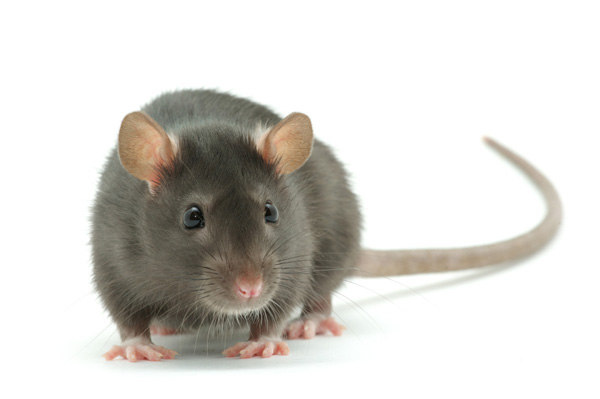
Rat Removal Service
Warning Signs: Red Flags to Avoid
High-Pressure Sales Tactics
Be cautious of companies that pressure you to sign contracts immediately or claim they can only offer discounts if you decide “today.” Professional pest control companies understand that choosing their services is an important decision requiring consideration.
Door-to-door solicitors should raise immediate concerns. Reputable companies typically don’t use this approach, as pest control requires scheduled appointments and proper equipment that door-to-door sales representatives don’t carry.
Unrealistic Promises
No legitimate pest control company can guarantee immediate, permanent results. Rat removal often requires multiple visits, ongoing monitoring, and property modifications. Be skeptical of companies promising to solve your problem with a single treatment or claiming 100% success rates.
Similarly, avoid companies that provide quotes without conducting property inspections. Effective rat removal plans require understanding the specific situation, infestation severity, and property characteristics.
Lack of Proper Documentation
Professional pest control companies provide detailed written estimates, service agreements, and treatment records. They should explain their methods, timeline, and costs clearly. Avoid companies that operate primarily with verbal agreements or seem reluctant to provide written documentation.
Extremely Low Pricing
While cost matters, suspiciously low prices often indicate corners being cut in service quality, safety, or effectiveness. Quality pest control requires proper equipment, trained technicians, and safe, effective products. Companies offering prices significantly below market rates may compromise on these essential elements.
Why Professional Expertise Matters
Understanding Rat Behavior
Successful rat removal requires deep understanding of rodent behavior. Rats are intelligent creatures that quickly learn to avoid traps or baits if not properly placed or maintained. They follow established travel routes, prefer certain nesting locations, and have specific food preferences that vary by species.
Professional technicians know these behavior patterns and adjust their strategies accordingly. They understand how Norway rats differ from roof rats in their habits and habitat preferences, leading to more targeted and effective treatment approaches.
Safety Considerations
Rat removal involves multiple safety concerns that professionals are trained to handle. Many rat-borne diseases can transmit to humans through contact with droppings, urine, or nesting materials. Professional technicians use appropriate protective equipment and follow safety protocols to minimize exposure risks.
Additionally, proper use of rodenticides requires expertise to ensure effectiveness while protecting children, pets, and non-target wildlife. Professionals understand product selection, placement strategies, and legal restrictions governing pesticide use.
Long-term Prevention Strategies
Effective rat control extends beyond removing current infestations. Professional companies identify and seal entry points, recommend property modifications, and provide guidance on sanitation practices that discourage future problems.
This comprehensive approach addresses root causes rather than just symptoms, providing better long-term value and protection for your property and family.
Questions to Ask Potential Companies
Service-Related Inquiries
Start with basic service questions: How do they conduct initial inspections? What does their treatment process involve? How many follow-up visits are typically required? Understanding their standard procedures helps you evaluate their thoroughness and professionalism.
Ask about their exclusion work—the process of sealing entry points to prevent future infestations. This crucial component separates comprehensive pest control from basic trap-and-remove services.
Technician Qualifications
Inquire about technician training and experience. Are they licensed? Do they receive ongoing education? How long have they been with the company? Well-trained, experienced technicians are more likely to identify all problem areas and implement effective solutions.
Timeline and Expectations
Discuss realistic timelines for seeing results. Most rat infestations require several weeks to resolve completely, depending on severity and property characteristics. Companies that provide clear timeline expectations demonstrate experience and honesty about the process.
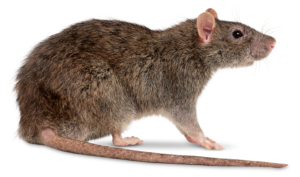
Rat Removal Service Provider
Evaluating Service Proposals
Comprehensive Assessment Requirements
Quality pest control companies conduct thorough property inspections before providing detailed treatment proposals. These assessments should identify current infestation evidence, potential entry points, conducive conditions, and recommended treatment strategies.
Be wary of companies that provide quotes based solely on square footage or general property descriptions without conducting on-site evaluations.
Treatment Plan Details
Professional treatment plans should outline specific steps, timelines, and methods. Look for proposals that address both immediate infestation removal and long-term prevention strategies. The plan should explain where treatments will occur, what products will be used, and how success will be measured.
Cost Transparency
Detailed cost breakdowns help you understand what you’re paying for and compare different companies effectively. Look for proposals that separate inspection fees, treatment costs, exclusion work, and follow-up visits. Hidden fees or vague pricing structures often lead to unpleasant surprises later.
Making Your Final Decision
Balancing Cost and Value
While budget considerations are important, focus on overall value rather than just initial cost. Companies offering comprehensive services, guarantees, and ongoing support may provide better long-term value than those with lower upfront prices but minimal service.
Consider the potential costs of ineffective treatment—recurring infestations, property damage, and health risks often exceed the savings from choosing bargain services.
Communication and Professionalism
Pay attention to how companies communicate throughout the evaluation process. Are they responsive to your questions? Do they explain their methods clearly? Professional communication often reflects the quality of service you can expect.
Local Reputation and References
Check online reviews, Better Business Bureau ratings, and ask for local references. Companies with strong local reputations typically provide consistent, quality service. However, be aware that a few negative reviews don’t necessarily indicate poor service—focus on overall patterns and how companies respond to complaints.
Maintaining a Rat-Free Environment
Ongoing Prevention Strategies
Professional rat removal expert is most effective when combined with ongoing prevention efforts. Maintain clean environments by storing food in sealed containers, eliminating water sources, and removing clutter that provides nesting opportunities.
Regular property maintenance helps identify potential entry points before they become problems. Seal cracks, repair screens, and trim vegetation away from structures to reduce access opportunities.
When to Call for Follow-up Service
Even after successful treatment, remain vigilant for signs of new activity. Contact your pest control company if you notice fresh droppings, new gnaw marks, or hear sounds indicating rat activity. Early intervention prevents small problems from becoming major infestations.
Many companies offer ongoing monitoring programs that provide regular inspections and preventive treatments. These programs often prove cost-effective for properties with recurring pest pressures or conducive conditions.

Rat Removal Service Expert
Partner with Professionals for Lasting Results
Choosing a rat removal company involves more than just comparing prices. Look for professionals with expertise, effective treatment methods, and ongoing support to ensure long-term success. Research thoroughly, ask about their qualifications, and prioritize competence and professionalism. Quality pest control protects your home, reduces health risks, and provides peace of mind. Partner with a company that understands rat removal is an ongoing process and offers comprehensive solutions.
Skyway Pest Management Inc
https://www.google.com/maps?cid=4846378771310884468
620 W Montauk Hwy #2a, Lindenhurst, NY 11757
(631) 789-9940
https://skywaypest.com/